
Childcare Biohazard & Bodily Fluid Cleanup
Specialist biohazard and bodily fluid cleanup for Melbourne childcare and daycare centres. Vomit, faeces, blood, and other bodily fluid incidents — two-stage removal then TGA-listed disinfection. WorkSafe Victoria PPE compliance. Same-day and after-session response. NHMRC protocol. Written incident record every service.
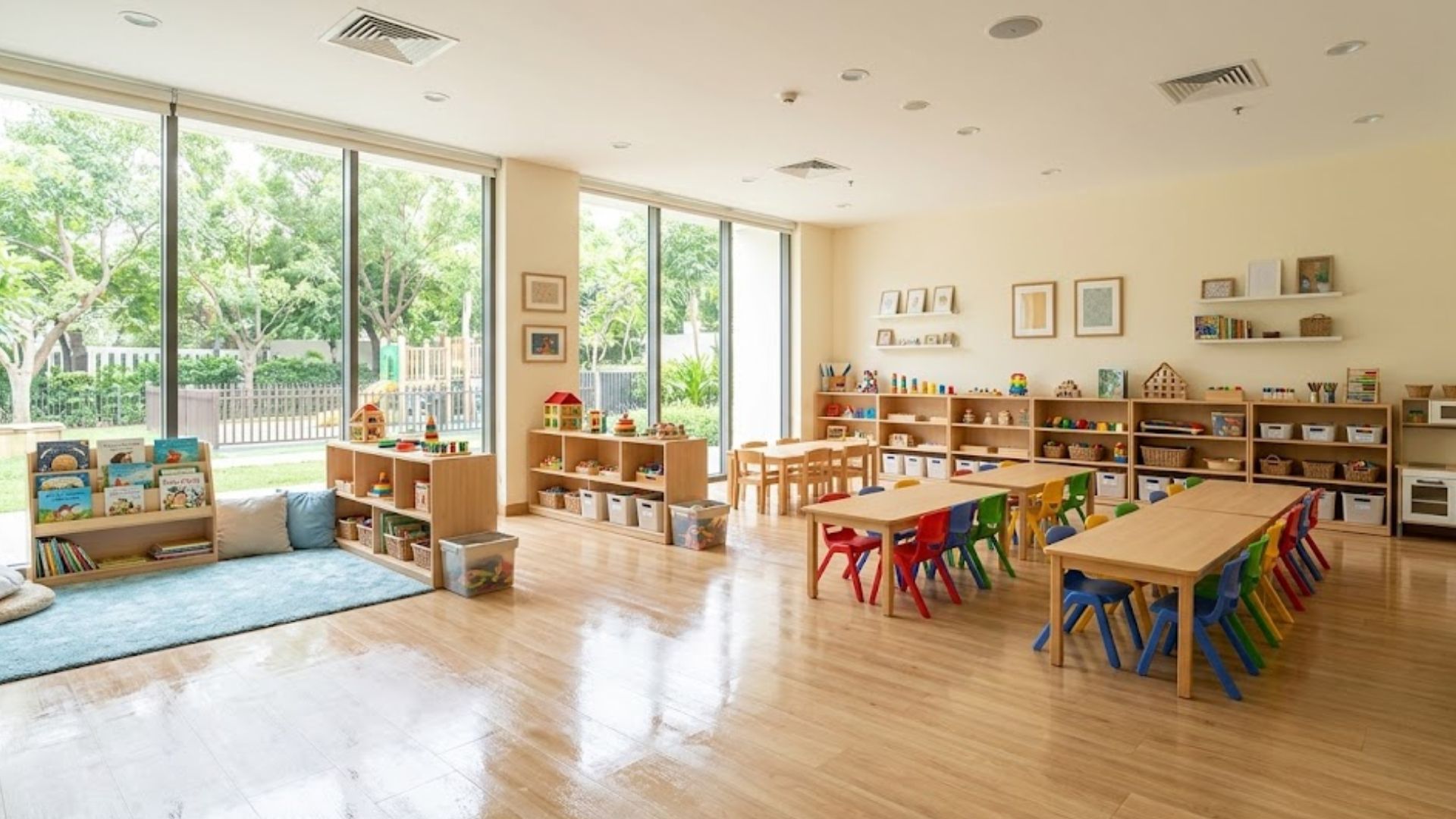
Bodily Fluid Incidents Requiring Specialist Cleanup in Childcare
Childcare facilities have a higher frequency of bodily fluid incidents than any other workplace — vomit, faeces, blood, and other biological material are regular occurrences in environments where children aged 0–5 are present in groups throughout the day. Each incident type carries different pathogen risks, requires different cleanup procedures, and must be managed according to WorkSafe Victoria, NHMRC, and NQS Quality Area 2 protocols. Standard cleaning products and standard cleanup procedures are not sufficient for biohazard events.
Vomit Cleanup in Childcare
Vomit is the highest-risk bodily fluid incident in childcare settings. It contains norovirus, rotavirus, and other gastroenteritis pathogens at concentrations that remain infectious on surfaces for 24 to 72 hours without TGA-listed disinfection. The two-stage protocol — bulk removal first, disinfection second — is mandatory. Adding water or cleaning product to vomit before bulk removal spreads the pathogen load over a larger area. All materials from a vomit cleanup must be disposed of as biohazard waste. If the vomiting child is the second or third case in the facility within a short period, outbreak response protocols should be activated.
Norovirus · Rotavirus · AdenovirusFaecal Incidents & Nappy Overflow
Faecal incidents beyond the nappy change area — blowouts, toilet accidents, and faecal contamination of surfaces, toys, or carpets — carry the full range of enteric pathogens present in childcare: rotavirus, norovirus, E. coli, Salmonella, and Campylobacter. Faecal contamination on carpet or soft furnishings requires specialist removal and hot water extraction — surface-only treatment is insufficient. National Regulations Section 77 requires that any surface contaminated with faecal matter be disinfected with a TGA-listed product before reuse.
Rotavirus · E. coli · SalmonellaBlood Incidents
Blood incidents in childcare — from cuts, nosebleeds, or head injury — require bloodborne pathogen precautions regardless of the child's health status. WorkSafe Victoria requires that all blood incidents are treated as potential bloodborne pathogen events and managed with full PPE: nitrile gloves, apron, and face protection where splashing is possible. Bloodstained surfaces must be disinfected with a TGA-listed disinfectant effective against bloodborne pathogens. Bloodstained carpets, fabric, and soft furnishings require specialist biohazard cleaning.
Bloodborne pathogen precautions requiredRespiratory Secretion Events
Large respiratory secretion events — significant coughing or sneezing incidents depositing respiratory droplets and mucus on surfaces, toys, or soft furnishings — may require biohazard cleanup where the child is known to have a respiratory illness. RSV, influenza, and other respiratory pathogens survive on hard surfaces for several hours and on soft surfaces for longer. Targeted disinfection of heavily contaminated surfaces using TGA-listed respiratory pathogen disinfectant, followed by toy sanitisation of all mouthable items in the affected room.
RSV · Influenza · RhinovirusBiohazard Cleanup Scope — What Golden Star Does
Golden Star's childcare biohazard cleanup service covers the full two-stage protocol for every incident type — from bulk material removal through surface disinfection, carpet treatment, and written incident documentation. All services include signed cleanup records formatted for NQS Quality Area 2 compliance.
Stage 1 — Bulk Material Removal
PPE donned before approaching the incident. Bulk biological material scooped and double-bagged using disposal kit — never spread, diluted, or initially treated with liquid cleaner. Removal tools discarded as biohazard waste after use. Affected area vacated by children and staff before and during removal. Area marked as out of use.
Stage 2 — TGA-Listed Disinfection
Once bulk material is removed, the affected surface and all surrounding surfaces within 1 metre are cleaned with a TGA-listed disinfectant matched to the specific pathogen type — norovirus/rotavirus efficacy for vomit and faecal events, bloodborne pathogen efficacy for blood incidents, respiratory pathogen efficacy for secretion events. Contact time observed per TGA registration. Surface wiped clean and allowed to dry before reuse.
Carpet & Soft Furnishing Treatment
Biohazard incidents on carpet require enzyme pre-treatment to break down protein-based soiling followed by hot water extraction after disinfection. Soft cushions, mattresses, and soft toys assessed — items that cannot be effectively cleaned and disinfected are removed from service. Hot water extraction records documented separately for ACECQA assessment evidence.
Biohazard Waste Disposal
All materials from the cleanup — gloves, apron, scoop tools, paper towels, cleanup kit materials — double-bagged and disposed of as biohazard waste in compliance with WorkSafe Victoria biological waste handling requirements. Contaminated soft items (toys, cloths) quarantined and assessed separately. Disposal documented in the incident record.
Toy & Equipment Quarantine
All toys in the affected area quarantined and assessed. Toys within the incident radius that cannot be adequately disinfected — cracked plastic, worn soft toys, sensory materials in contact with biohazard material — removed from service. Remaining toys sanitised using material-appropriate GECA-certified enzyme sanitiser before return to the room.
Written Incident Record
Signed, dated incident record produced after every biohazard cleanup — documenting incident type, affected area, TGA-listed products used with concentrations and contact times, surfaces treated, materials disposed of, and staff details. Formatted for NQS Quality Area 2 infection control documentation and WorkSafe Victoria incident records.
Same-day response · WWCC-verified staff · 7 days
Why Biohazard Cleanup Requires Two Distinct Stages
The most common error in childcare biohazard cleanup is applying cleaning product or water to a bodily fluid incident before removing the bulk material. This error spreads the pathogen load over a larger surface area, dilutes disinfectant efficacy, and may drive contamination deeper into porous surfaces. The correct protocol separates bulk removal from disinfection — two distinct stages that must be performed in sequence.
Stage 1 — Bulk Removal First
- Don full PPE before approaching the incident area
- Evacuate children and non-essential staff from the area
- Mark area as out of use
- Scoop and bag all bulk material using disposal tools
- Double-bag all collected material — biohazard waste disposal
- Discard scoop tools and all materials that contacted biohazard
- Do NOT apply water or liquid cleaner until all bulk material is removed
- Surface now ready for Stage 2
Stage 2 — Disinfection
- Select TGA-listed disinfectant matched to the specific pathogen type
- Clean the incident area first with detergent, rinse, then apply disinfectant
- Apply to the incident area and all surfaces within 1-metre radius
- Observe full contact time per TGA product registration
- Wipe clean and allow to dry fully before area reopens
- Ventilate the area during and after disinfection
- Discard all disinfection application materials as biohazard waste
- Document product, concentration, and contact time in incident record
PPE Required for Biohazard Cleanup in Childcare
WorkSafe Victoria requires that all persons handling biological hazards in workplaces use appropriate personal protective equipment. In childcare biohazard cleanup, PPE requirements depend on the incident type — the minimum required for any biohazard event is gloves and an apron; blood incidents require eye protection and a mask as well. PPE must be donned before approaching the incident and removed carefully after cleanup to prevent self-contamination.
Nitrile or Latex Gloves — All Incidents
Disposable nitrile or latex gloves required for all biohazard incidents. Thin vinyl gloves are not acceptable — they are more likely to tear during bulk material handling, compromising hand protection. Double-gloving is recommended for significant blood incidents.
Disposable Apron — All Incidents
Disposable apron worn over clothing for all biohazard incidents. A full gown is required where extensive splashing risk exists (large blood incidents, major vomit events). Apron removed and discarded as biohazard waste after cleanup.
Surgical Mask — Vomit & Respiratory Events
Surgical-grade mask worn during vomit cleanup to protect against aerosol inhalation risk. Also required for respiratory secretion cleanup events and any incident with high aerosol potential. Standard fabric masks are not sufficient for biohazard aerosol protection.
Eye Protection — Blood Incidents
Safety glasses or goggles required for blood incidents where splashing risk is present. Also recommended for large vomit incidents and any biohazard event involving high-pressure or large-area contamination. Standard prescription glasses do not provide adequate splash protection.
When to Call Golden Star vs Handle In-House
Childcare staff routinely manage isolated biohazard incidents using standard vomit kits and PPE — this is expected and appropriate. Golden Star's biohazard cleanup service is for the incidents and scenarios that go beyond what in-house management can adequately address.
Large-Area or Multi-Room Incidents
Incidents covering a significant surface area, affecting multiple rooms, or involving biohazard material on multiple surface types (hard floor, carpet, furnishings) simultaneously exceed what routine in-house management can handle safely with a standard vomit kit.
Carpet or Soft Furnishing Contamination
Biohazard material on carpet requires enzyme pre-treatment and hot water extraction — not achievable with standard in-house cleaning tools. Contaminated foam cushions or mattresses may need to be removed from service. Golden Star provides carpet biohazard treatment and disposal assessment.
Blood Incidents
Any significant blood incident requires specialist biohazard handling under bloodborne pathogen protocols. WorkSafe Victoria requires that blood incidents are treated as potential bloodborne pathogen events — a standard higher than routine biohazard cleanup.
Documentation Required for Compliance
Where the centre's infection control documentation requires a signed third-party cleanup record — for insurer submission, health authority reporting, or ACECQA assessment evidence — Golden Star's written incident record provides the necessary third-party documentation.
NQS, NHMRC, WorkSafe Victoria & Section 77 Compliance
NQS Quality Area 2 — Children's Health and Safety — requires that approved childcare providers have documented infection control procedures that are systematically followed when biological incidents occur. An incident where a vomit or blood event occurred in a childcare facility and cannot be documented with a cleanup record — product used, surfaces treated, disposal method, time — is a Quality Area 2 documentation gap that ACECQA assessors may identify during inspection.
National Regulations Section 77 requires that surfaces contaminated with faecal matter be disinfected with a TGA-listed product before reuse. NHMRC Childcare Cleaning Guidelines specify that vomit events require immediate bulk removal followed by disinfection with a TGA-listed product effective against enteric pathogens. WorkSafe Victoria requires that all biological hazard events are managed with appropriate PPE, that all biological waste is disposed of correctly, and that the workplace is returned to a safe condition before staff and others re-enter the affected area. Golden Star's biohazard cleanup service meets all four compliance frameworks simultaneously.
All biohazard cleanup staff hold current Victorian Working With Children Checks and national police clearances under the Working with Children Act 2005 (Vic). View all childcare cleaning services or see pricing.
Biohazard Incident Record — Contents
- Date, time, and incident type
- Affected room and surface type
- PPE used — itemised
- Bulk removal method documented
- TGA-listed product — name and registration
- Concentration and contact time applied
- Surfaces treated — itemised
- Carpet/soft furnishing treatment (if applicable)
- Toys quarantined or disposed of
- Biohazard waste disposal confirmed
- WWCC-verified staff — signed
Childcare Biohazard & Bodily Fluid Cleanup — FAQ
Common questions about biohazard cleanup, vomit cleanup, and bodily fluid handling in Melbourne childcare and daycare centres. For a full list, visit our childcare cleaning FAQ page.
Childcare Biohazard & Bodily Fluid Cleanup in Melbourne
Same-day and after-session biohazard cleanup across Melbourne's 25 serviced suburbs. Two-stage protocol, TGA-listed pathogen-matched disinfectants, WorkSafe Victoria PPE compliance, written incident record for NQS QA2 and ACECQA evidence. WWCC-verified staff. 7 days. View all childcare cleaning services or see pricing.